A large retail client recently asked us to investigate some significant spikes in their Amazon sales. Sales were up substantially during promotional periods, but they wanted to understand what was actually behind them. How much was underlying demand, how much was advertising and how much was down to discounts and promotions?
I suspect quite a few retailers will be asking similar questions after Black Friday. I suspect we’ll see some impressive sales figures reported over the coming days, accompanied by equally impressive ROAS figures from the advertising platforms.
The celebrations might be premature.
Take a product selling for £100 with a £50 unit cost. Apply a 20% discount and gross profit falls from £50 to £30. You now need to sell 67% more units to generate the same gross profit, before accounting for additional advertising expenditure.
And if you’re spending heavily on advertising to encourage purchases that would have happened anyway, you’re potentially paying twice for the same sales.
I’ve worked with retailers who’ve described promotions as the “crack” of their business. Once you become dependent on discounting to drive sales, it can be difficult to break the habit. Some brands have built sufficient strength to avoid discounting altogether, but for most retailers promotions remain an important commercial tool.
They can generate incremental sales, attract new customers and clear inventory. They can also give away margin on purchases that would have happened anyway, or bring forward sales from December. The difficulty is establishing the balance between these outcomes.
Retailers have no shortage of data. Their own financial reporting shows what happened commercially, while Google, Meta, Amazon and other platforms provide their respective views of advertising performance. Reconciling those different perspectives and establishing the incremental contribution of marketing is considerably harder.
Marketing Mix Modelling (MMM) can help by assessing advertising alongside pricing, promotions, seasonality and other factors influencing sales. With sufficient data, it can help estimate the respective contributions of underlying demand, advertising and promotional activity. Combining this with margin and other commercial information allows retailers to assess the implications for profitability.
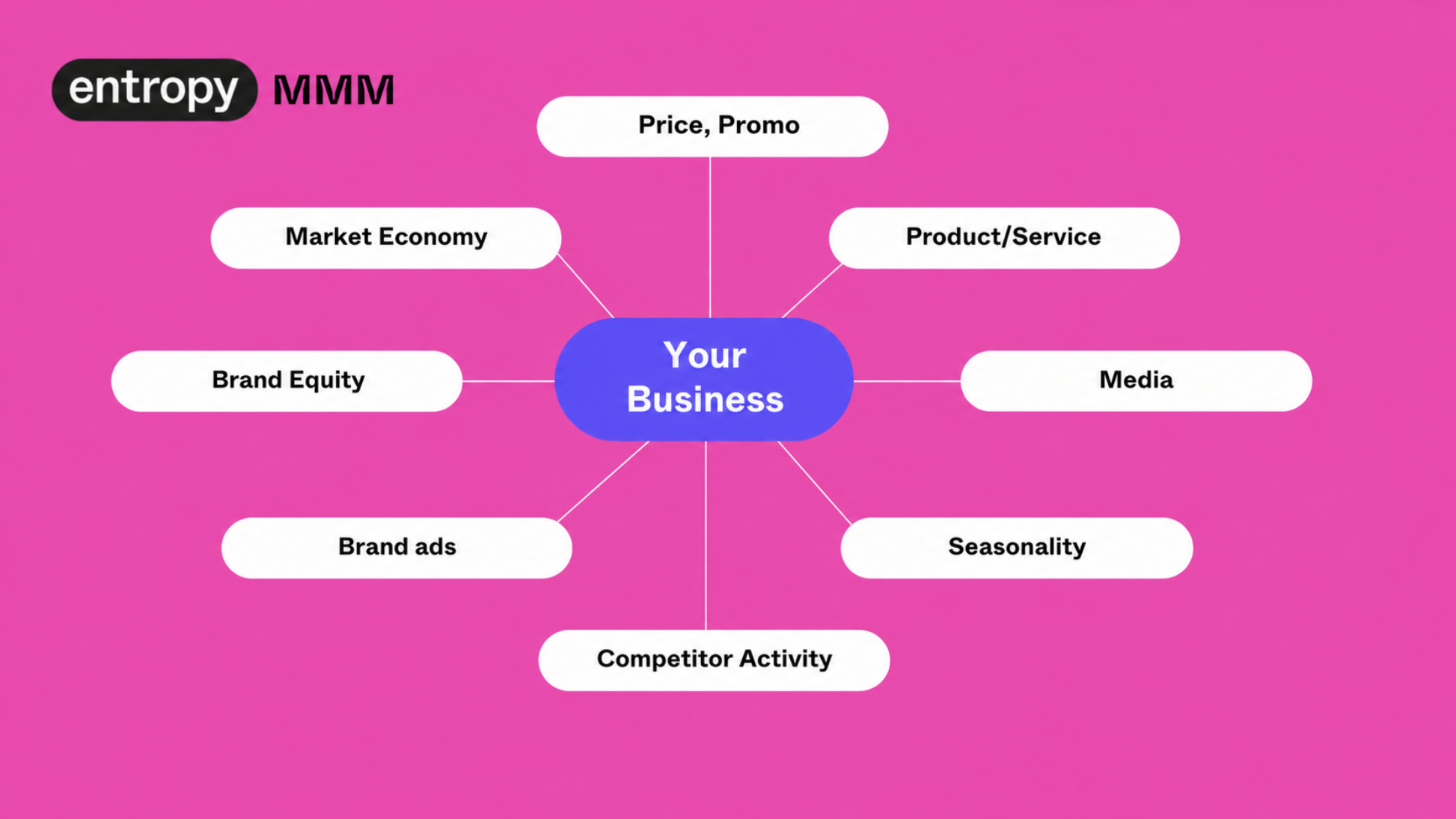
At Entropy, we combine econometric modelling with our experience in senior client-side marketing roles. We look at the MMM findings alongside other measurement evidence and the wider marketing activity, and work with clients to understand which decisions they actually need to make.
That might mean reconsidering the balance between advertising and promotions, reallocating media budgets or testing different investment scenarios. The intention is to quantify the commercial implications of those choices wherever possible.
With Q4 accounting for such a significant proportion of many retailers’ annual investment, it’s an obvious period to examine as part of a wider MMM. Starting that process now, agreeing the questions and bringing together the relevant data, would allow the findings to feed into planning early in 2027.
How Entropy can help
Entropy offers a range of measurement, marketing and strategic consulting services. For more information, please contact us or read about our work.